
Why Your Skin Barrier Is the Most Important Thing You’re Not Talking About
You cleanse, moisturise, and maybe even add a serum or two — but if your skin still feels tight, reactive, or just ‘off’, there’s a good chance the real issue is being overlooked entirely. The answer might not be a new product. It might be your skin barrier.
In 2026, skin barrier repair has become one of the most talked-about topics in modern skincare — and for very good reason. Once considered a niche dermatological concept, it’s now recognised by experts worldwide as the foundation of healthy, radiant skin. Yet most everyday skincare routines are quietly working against it.
Here’s what you need to know — and how to fix it.
What Is the Skin Barrier?
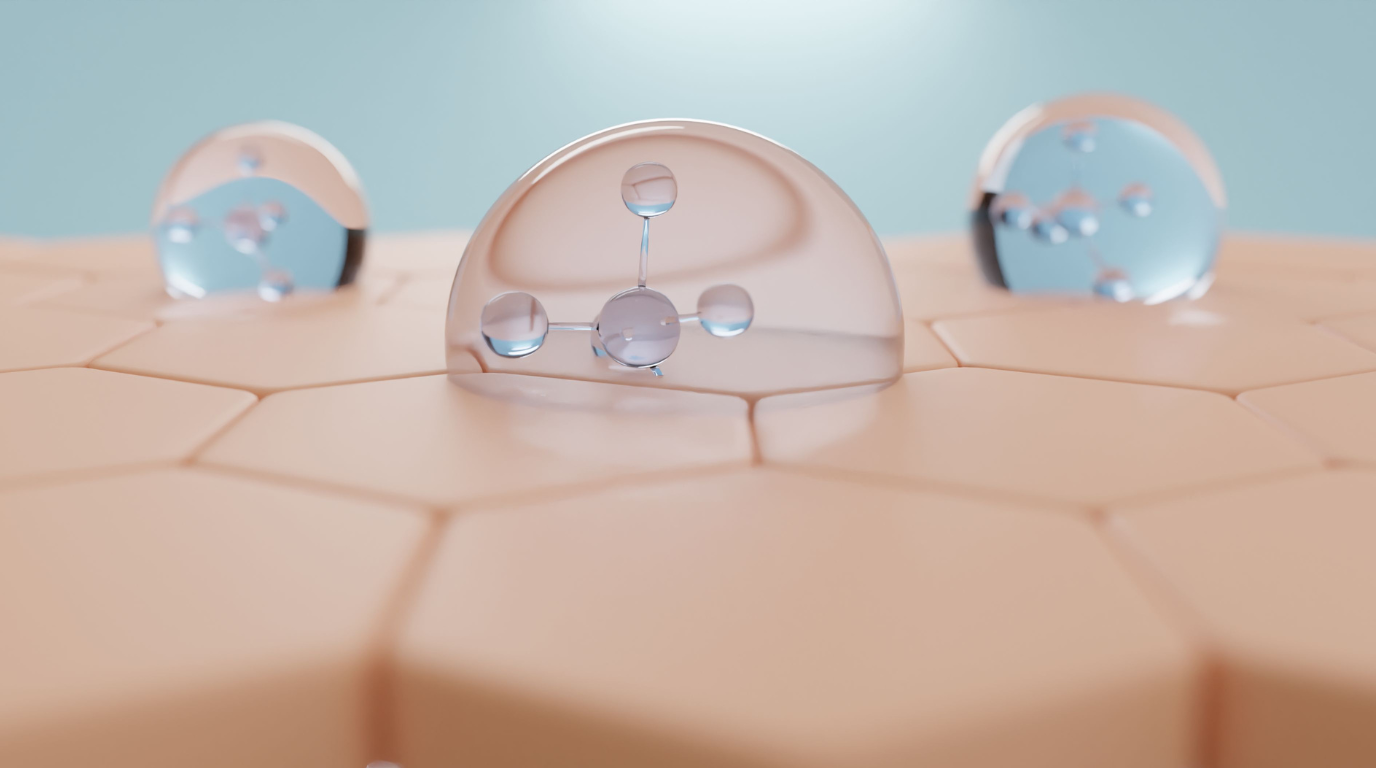
Your skin barrier (technically called the stratum corneum) is the outermost layer of your skin. Think of it like a brick wall: your skin cells are the bricks, and a complex mix of lipids — ceramides, cholesterol, and fatty acids — acts as the mortar holding everything together.
Its job? To lock moisture in and keep harmful things out. We’re talking pollution, UV radiation, bacteria, allergens, and toxins. A healthy skin barrier means plump, calm, resilient skin. A damaged one? That’s when the problems begin.
According to a 2025 review published in the Journal of Clinical and Aesthetic Dermatology, maintaining a healthy stratum corneum depends on an intact lipid barrier and adequate water content — both of which are essential for elasticity, microbial balance, and immune regulation.
Signs Your Skin Barrier Might Be Damaged
Barrier damage is more common than most people realise. Look out for these telltale signs:
- Tightness or dryness even after moisturising,
- Redness or inflammation that seems to come from nowhere,
- Skin that stings or burns when you apply products that never used to bother you,
- Breakouts or congestion in skin that’s also dehydrated,
- Flaking, peeling, or rough texture,
- A dull, tired complexion that doesn’t respond to brightening products.
If several of these sound familiar, your barrier may be compromised — and simply adding more products to your routine could actually be making things worse.
What Damages the Skin Barrier?
Modern life is full of barrier-busting habits, many of which we’ve been sold as ‘skincare’:
- Over-cleansing or using harsh surfactants that strip natural oils,
- Synthetic fragrances and allergens in everyday products,
- Over-exfoliation — acids, scrubs, and retinoids used too frequently,
- Pollution and UV exposure — both deplete the skin’s natural lipid reserves,
- Stress, poor sleep, and hormonal changes — all of which impact the skin’s regenerative ability,
- Chemical ingredients like SLS (sodium lauryl sulphate) — a harsh foaming agent found in many cleansers.
The good news? A damaged barrier can be repaired — and you don’t need a drawer full of expensive products to do it.
How to Rebuild Your Skin Barrier Naturally
- Simplify Your Routine
When your barrier is compromised, less really is more. Strip back to the basics: a gentle cleanser, a nourishing moisturiser, and SPF during the day. Give your skin time to breathe and recover before introducing actives again.
- Choose Allergen-Safe, Fragrance-Free Formulations
Synthetic fragrances are one of the leading causes of contact sensitisation and barrier disruption. Look for products that are explicitly allergen-safe and fragrance-free — not just ‘unscented’, which can still contain masking fragrances.
At Naturally COS, all products are COSMOS-certified, allergen-safe, and free from harmful chemicals — formulated specifically with sensitive and reactive skin in mind.
- Look for Barrier-Supportive Ingredients
Certain ingredients are scientifically proven to restore the lipid layer and support barrier function. Look for:
- Ceramides — rebuild the protective lipid matrix,
- Hyaluronic acid — draws moisture into the skin,
- Niacinamide — strengthens the barrier and reduces inflammation,
- Panthenol (vitamin B5) — deeply hydrating and soothing,
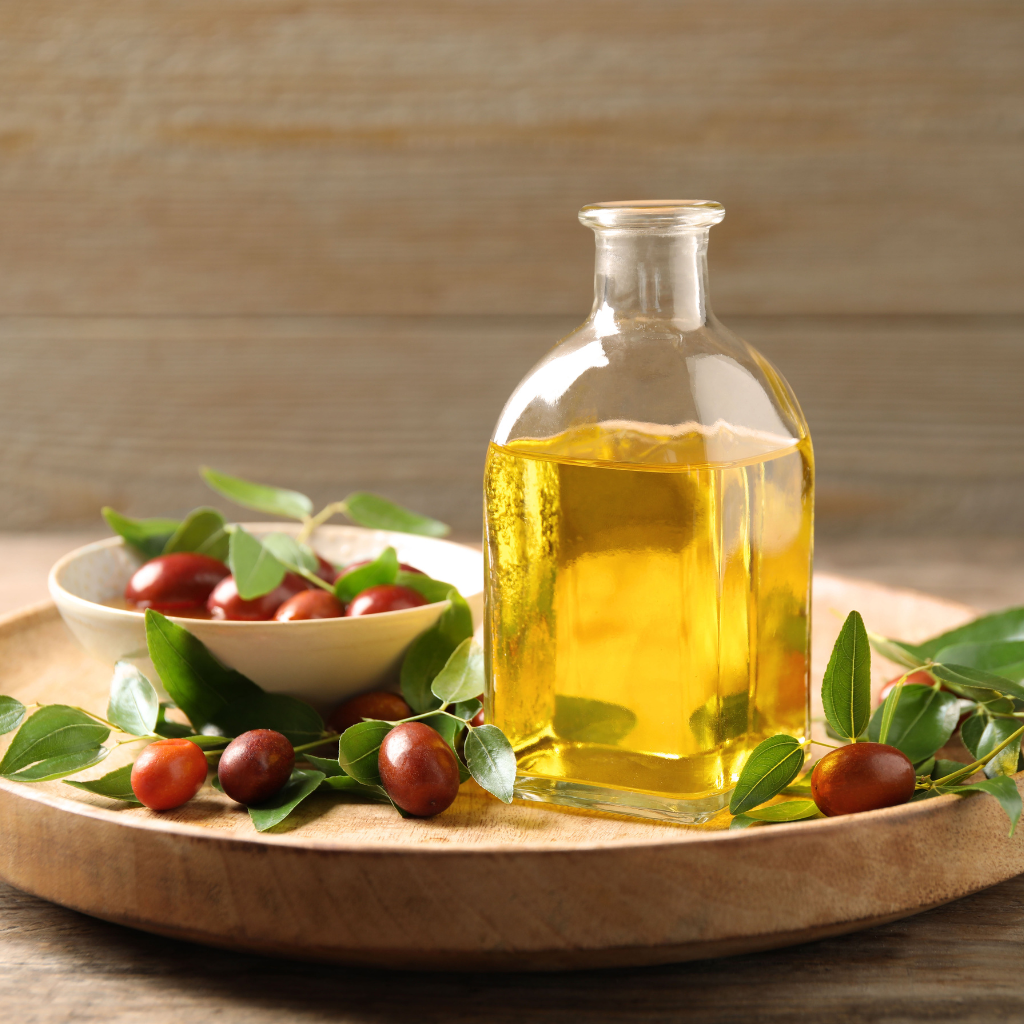
- Plant-based oils — such as jojoba and rosehip, which mimic the skin’s natural sebum.
- Be Gentle with Cleansing
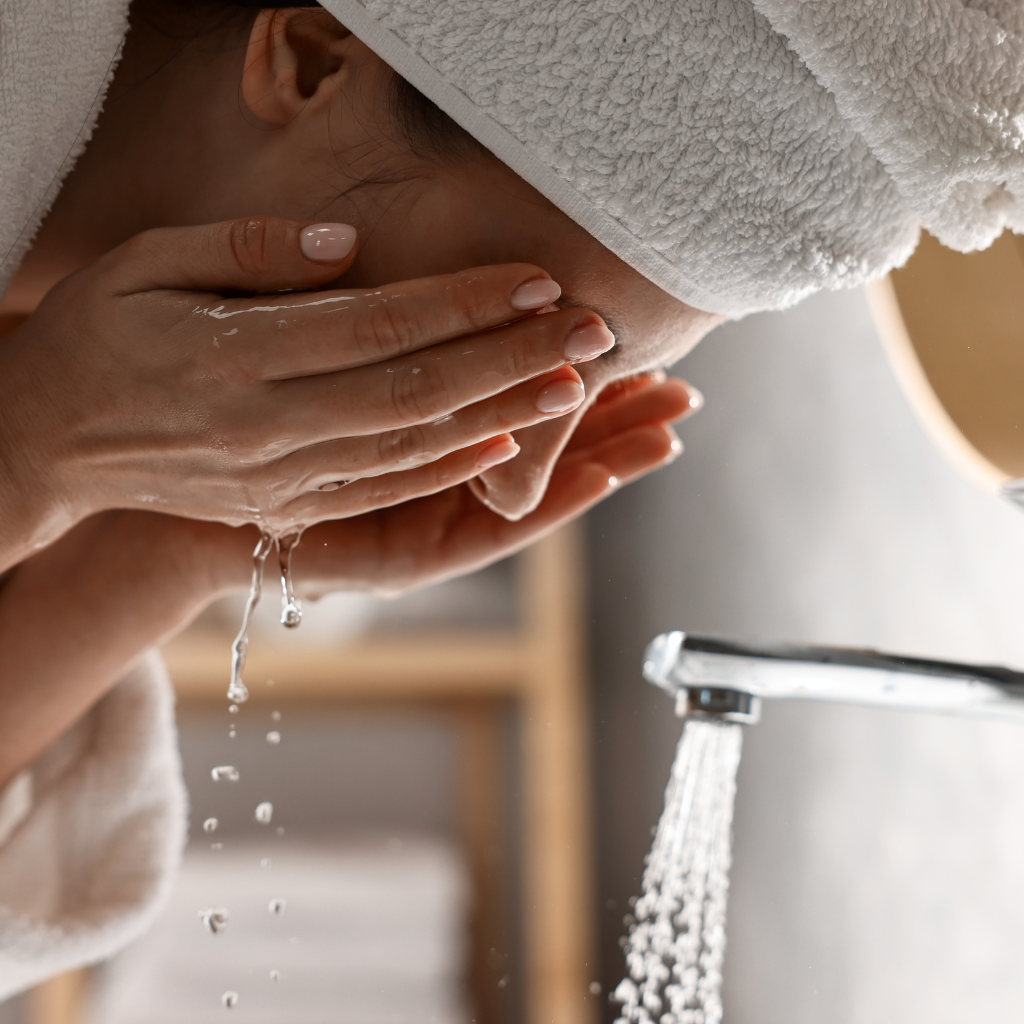
Avoid foaming cleansers with SLS or SLES, which can disrupt the skin’s natural pH and strip lipids. Opt for a gentle, pH-balanced face cleanser that removes impurities without compromising the barrier.
- Don’t Skip Moisturiser
Even if you have oily skin. A well-formulated moisturiser acts as a seal over the barrier, reducing trans-epidermal water loss (TEWL) and giving compromised skin the chance to repair itself.
The Bottom Line
Your skin barrier isn’t a trend — it’s the foundation everything else sits on. Before you add another active or try another treatment, ask yourself: is my barrier healthy enough to handle it?
For most of us, the answer to better skin isn’t doing more. It’s doing less, but better — with clean, gentle, allergen-safe formulations that work with your skin rather than against it.
Explore Naturally COS’s full range of organic, allergen-safe skincare — made right here on the Gold Coast, designed for sensitive skin, and free from the chemicals your barrier doesn’t need.


